
Clean Water Doesn't Feel Like a Guarantee Anymore
From water ionizers to AI data centres, atmospheric water harvesting, and my increasingly suspicious relationship with the future of drinking water.
Maybe it's just the way my algorithms are swaying lately, but I've noticed an alarming amount of conversation about the future of clean drinking water. Shortages, contamination, groundwater depletion, and more recently, how much water artificial intelligence is consuming.
And I'll admit it. I've been influenced.
Not necessarily into believing every alarming headline, but into believing that access to clean drinking water could become a much bigger global problem than many of us are prepared for. Something that affects communities we've historically considered relatively safe from water insecurity.
I say this with compassion because I know how fortunate I've been. Growing up in Canada, I've rarely had to question whether the water coming out of my kitchen tap was drinkable. Turn the handle, fill the glass, carry on with life. It's a privilege so ordinary that it's easy to forget it's a privilege at all.
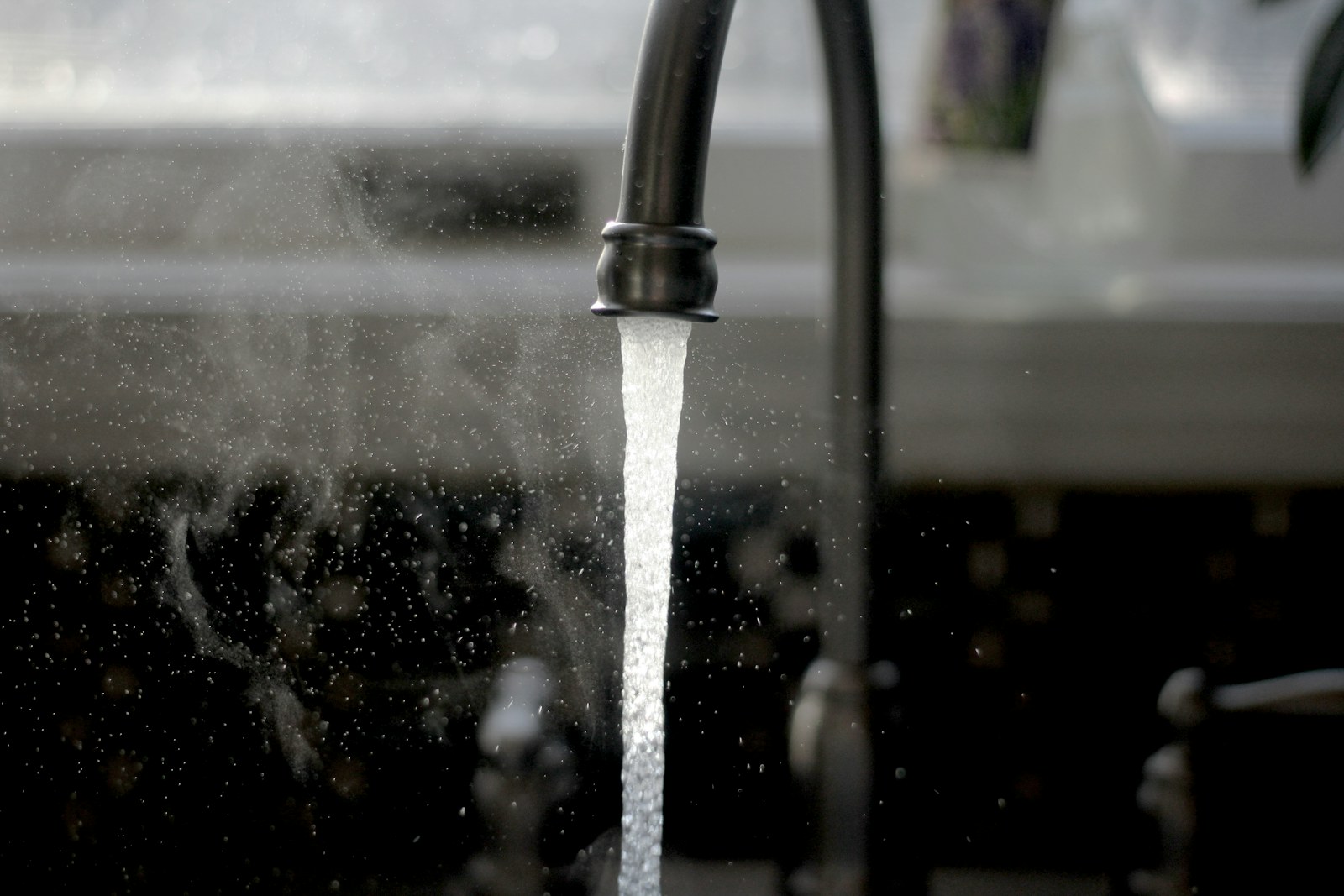
Meanwhile, according to the WHO and UNICEF's 2025 drinking water report, approximately 2.1 billion people worldwide still lack access to safely managed drinking water. For them, this isn't some futuristic environmental anxiety brought to you by an overenthusiastic social media algorithm. It's everyday life.
I'm absolutely interested in identifying trustworthy news sources and understanding which information deserves credibility. I think that's increasingly important, especially when alarming headlines travel faster than the research behind them. What I don't want to do is spend this entire blog post deciphering the politics of news outlets, media bias, and whose version of reality we're supposed to believe.
That's a rabbit hole with its own postal code.
What I will say is that this topic has been showing up in more places than just my personal feed. News coverage, scientific reports, environmental discussions, technology publications, and conversations surrounding AI infrastructure are all bringing different pieces of the water problem into focus. I'm not interested in drawing conclusions based purely on whatever my algorithm decides to serve me that morning, but when a subject keeps resurfacing across different spaces, I'm inclined to investigate.
The AI water consumption stories have even made me reconsider using AI to help spell-check my blogs. Perhaps I'll start publishing everything in its raw, unedited skimpies. Grammar flapping in the wind. Apostrophes fighting for survival. A literary environmental sacrifice.
[ SAVE WATER ] ~~~> [ RELEASE THE TYPOS ]
And before anyone points out the irony of a developer worrying about AI resource consumption while running a technology website, yes, I see you. We'll get there.
So Why Was I Shopping for a Water Ionizer?
My initial interest was actually quite practical.
Where I live, our water has a high concentration of dissolved minerals. In other words, hard water. Calcium and magnesium are the main culprits, and while they aren't inherently bad for drinking, they can be considerably less charming when they're building a geological exhibit around the showerhead.
The U.S. Geological Survey explains that these minerals interfere with soap and can leave residue behind on skin, hair, fixtures, and surfaces. Hair can become dull or difficult to manage, and my skin certainly doesn't appreciate the experience.
Our house does have a water softener, but it's old enough that I occasionally wonder whether it remembers the invention of indoor plumbing.
I wanted options.
Options for drinking water, options for dealing with mineral buildup, and maybe a little reassurance that I had some control over what was coming through my taps.
And, fine, let's be honest. I also wanted to quiet the impending-doom gremlin that has apparently taken up permanent residence on my shoulder.
You know the one. The tiny fellow whispering that we're all going to die of thirst or water contamination unless I immediately purchase a moderately expensive appliance with a glowing blue display.
Very persuasive little guy. Terrible financial advisor.
So I started researching water ionizers and building an Octivary Water Ionizers & Filtration Choice Compass to compare the available options.
And naturally, what began as a fairly straightforward product comparison turned into a sprawling investigation of water chemistry, environmental sustainability, questionable marketing, and the future of humanity.
Normal shopping behaviour, obviously.
Let's Spill the Ionized Tea
Water ionizers are interesting little machines. They take water and run it through a process called electrolysis, which uses an electrical current to produce water streams with different pH levels. One stream becomes more alkaline, while the other becomes more acidic.
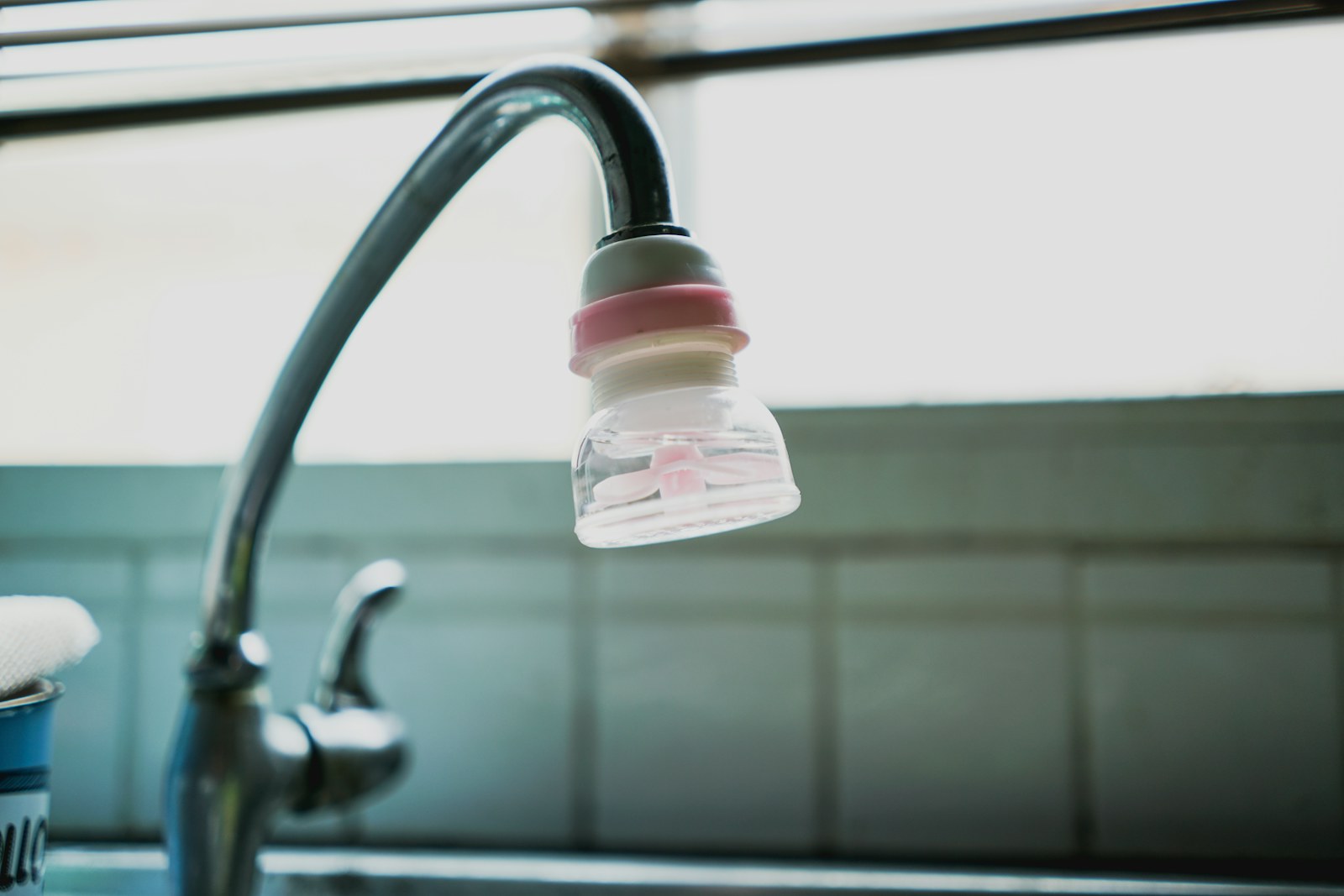
The alkaline side is generally the one being marketed for drinking, often with a fairly enthusiastic collection of health-related promises attached.
Better hydration. Antioxidant properties. Balancing your body's acidity. Improved wellness. Sometimes the marketing makes it sound like alkaline water has personally negotiated a peace treaty with the aging process.
Now, I'm not here to rain acidic precipitation on anybody's parade, but there's an important distinction between changing the chemistry of water and demonstrating that the change provides meaningful health benefits.
Our bodies already regulate blood pH through biological systems involving the lungs and kidneys. They're remarkably good at their jobs, and they don't require a countertop machine to supervise them.
The Mayo Clinic states that alkaline water hasn't been established as better than ordinary drinking water for most people. A 2026 scientific review also found that although some specific benefits have been investigated, broad claims involving disease prevention, immunity, and anti-aging aren't backed by strong clinical evidence.
And something else worth remembering: making water alkaline doesn't automatically make it clean.
An ionizer might include a filtration component, but its ability to remove contaminants depends on the actual filtration technology and what that system has been tested to remove. A change in pH isn't proof that lead, bacteria, or other contaminants have disappeared.
For my situation, a functioning water softener may be much more useful for the mineral problem, while a properly certified filter may be more appropriate if I'm concerned about particular drinking-water contaminants. Health Canada recommends looking for treatment devices independently certified to relevant NSF/ANSI standards.
The more I researched, the more I realized that I could spend a considerable amount of money on a machine that doesn't actually solve my original problem.
How inconveniently sensible.
Wait. We Can Pull Water Out of the AIR?
During the creation of my Choice Compass, I discovered another category of technology entirely: atmospheric water generators.
These aren't the same as water ionizers, but they appeared during my research and immediately derailed my original shopping mission.
Essentially, certain machines can extract moisture from the surrounding air and collect it as liquid water. Some cool humid air until the moisture condenses, while others use specialized materials that capture water vapour and later release it.

Think of a dehumidifier that has been promoted from basement duty to an actual water production department.
My immediate reaction was something along the lines of:
EXCUSE ME? WE CAN HARVEST DRINKING WATER FROM THE SKY?
Followed by an avalanche of questions. Could we ship these machines to countries experiencing water shortages? Could we teach communities how to manufacture their own? Could open-source engineering make the technology more accessible? Could solar energy power some of these systems?
I love the idea of technology that solves a tangible human problem rather than merely introducing another subscription into our lives.
Unfortunately, atmospheric water harvesting isn't a magical unlimited-water cheat code. The machines still need the right conditions, adequate energy, maintenance, and appropriate treatment of the collected water before it's safe to drink.
Humidity is especially important. If there isn't much moisture available in the air, extracting a useful amount of water can become far more energy-intensive. Research into atmospheric water harvesting continues to explore different materials and designs to address those limitations. A 2026 review in Nature Reviews Clean Technology discusses the energy challenges of these technologies, while a 2024 field study in Abu Dhabi demonstrates how significantly water production can change with weather conditions.
Which is rather inconvenient considering some of the regions most in need of fresh water are also extremely dry.
Still, the possibilities fascinate me. Imagine affordable systems that communities could maintain locally, with parts they could manufacture or replace themselves. The engineering potential is exciting, even if the practical challenges are substantial.
Of course, dropping a shiny machine into a community and declaring the water crisis solved would be ridiculous. Long-term water security requires infrastructure, reliable energy, maintenance, safe storage, and people trained to operate everything.
I also remember seeing a survival technique involving a plastic bag tied around a leafy tree branch to collect moisture released by the leaves.
Imagine explaining that to someone unfamiliar with survival techniques.
"Yes, I'm putting a bag on this tree. No, I haven't lost my mind. We're collecting water."
It's fascinating, but it isn't a dependable drinking-water system. Collected water can become contaminated, and even boiling has limitations. The CDC explains that boiling is useful for killing microorganisms, but it won't make water contaminated with hazardous chemicals or fuel safe to drink.
So please don't mistake a wilderness survival trick for a replacement municipal water treatment plant.
Meanwhile, AI Is Getting Thirsty
This is where my water research wandered straight into my professional world.
Artificial intelligence requires enormous computing infrastructure. When we ask an AI system to generate code, produce images, or answer questions, the work happens on specialized hardware housed in data centres.
That hardware produces heat. Lots of it.
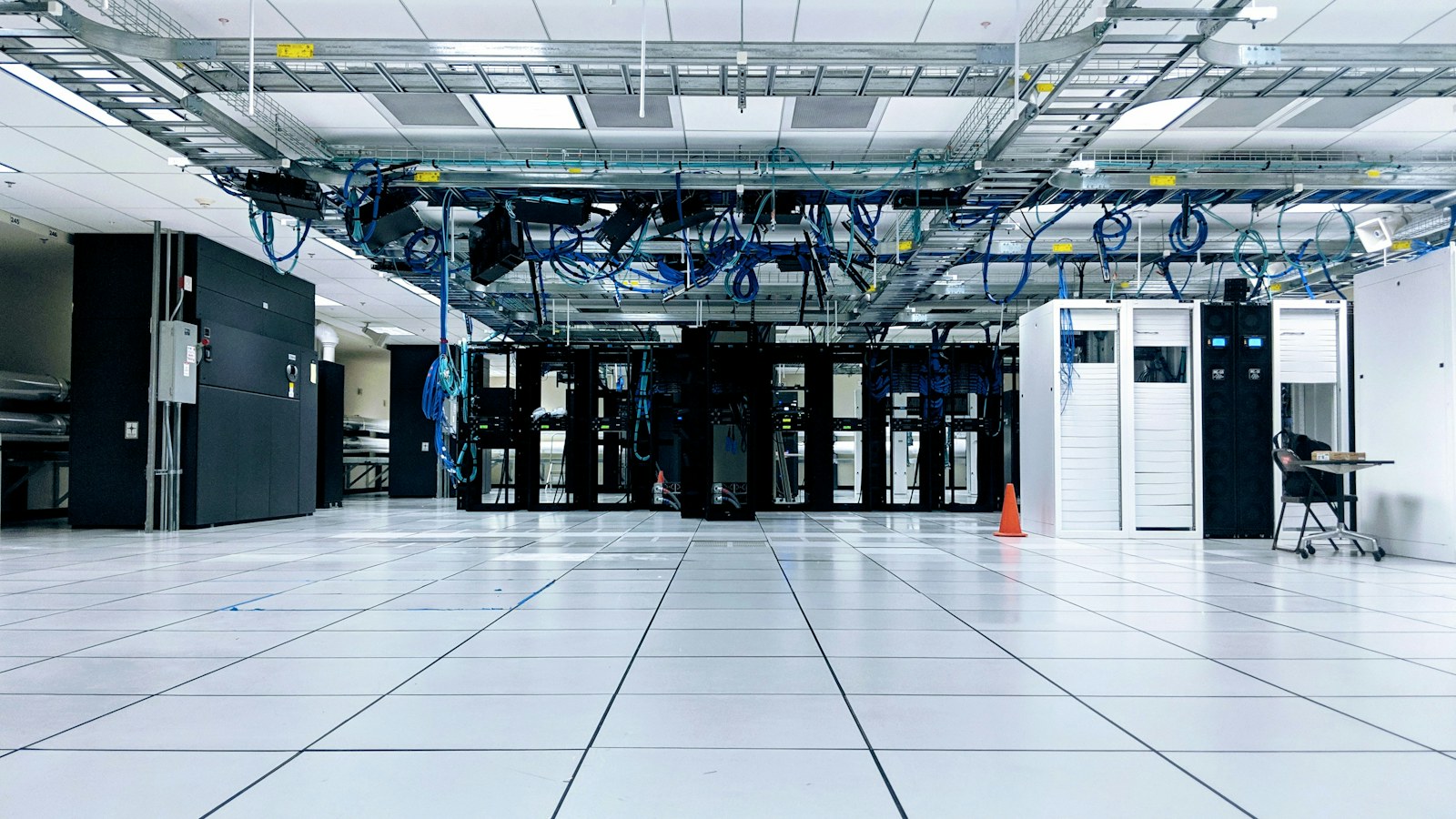
Imagine filling a massive building with extraordinarily expensive computers and asking them to work around the clock. Eventually, you're going to need something more sophisticated than a desk fan and positive thinking to keep everything functioning.
Different data centres use different cooling systems. Some depend heavily on air cooling, while others circulate liquids or use evaporative cooling to help manage temperatures. Evaporative systems can consume water because part of that water is released into the atmosphere during the cooling process.
But the water footprint doesn't end at the building. Electricity generation can also require water, depending on the energy source, and semiconductor manufacturing involves water-intensive processes.
The International Energy Agency's 2025 Energy and AI report examines these demands and projects that data-centre water consumption could more than double between 2023 and 2030 when direct cooling and relevant indirect uses are considered.
Now, there is an important distinction between water being withdrawn and water being consumed. Water that's withdrawn may eventually be returned to a water source, whereas water classified as consumed isn't immediately returned to that same local system.
Not all data centres have identical water requirements either. Location, climate, cooling design, electricity sources, and infrastructure all affect their environmental footprint.
What concerns me most isn't necessarily a giant worldwide number printed in an alarming headline. It's the possibility of resource-intensive facilities being built in areas where water supplies are already under pressure.
At that point, the question becomes less about how many litres AI uses globally and more about where those litres are coming from, who else needs them, and whether the benefits justify the demand.
And that brings me to another peculiar development I've been watching in the tech space.
Vibe. Ship. Get Paid. Apparently.
If you've spent any meaningful amount of time online lately, you've probably encountered advertisements promising that AI can help you build an application, launch it, and start generating income without knowing how to code.
Vibe-code an app over the weekend. Automate the business. Monetize the traffic. Financial freedom, preferably before your coffee gets cold.
As a developer, I actually find AI-assisted development exciting. I've used these tools myself, and there's no denying that they can make certain tasks substantially easier. But there's a difference between creating something that appears to function and building something secure, reliable, maintainable, and genuinely useful.
Applications still need testing, authentication, security, infrastructure, error handling, and ongoing maintenance. Research continues to identify weaknesses in AI-generated software, including a 2025 study examining thousands of AI-generated code files.
And then there's the minor inconvenience of finding actual customers. AI can generate a lovely website, but it cannot guarantee that anyone on Earth wants what you're selling.
What really got me thinking about this trend, however, was a call I attended with a creator whom I'm deliberately not going to name.
During the call, this person enthusiastically described an automated workflow they'd created. The system was designed to scan YouTube for creators with large followings, identify the most heavily watched portions of their videos, extract the language and context from those segments, and feed that information into AI tools to generate new videos and social media content.
Essentially, it was a process for identifying what had already captured people's attention, extracting the ingredients, and manufacturing more content based on the same formula.
And let's not forget the accompanying world of pre-farmed, already-monetized TikTok accounts being offered as a shortcut into the creator economy.
The idea tracks, yes. From a purely commercial perspective, I understand the appeal. Find content that performs, use automation to reproduce its successful characteristics, distribute it, attract attention, show advertisements, and collect revenue.
But I couldn't help thinking about what this actually contributes.
We're taking existing content, feeding it through increasingly resource-intensive technology, producing more content designed to compete for attention, and then hoping enough people consume it for the advertising revenue to make the process worthwhile.
It's a remarkably elaborate way to create more slop.
And before anyone gets defensive, I'm not suggesting that all AI-generated content is worthless or that every person using these strategies has bad intentions. There are legitimate uses for content automation, and originality isn't determined solely by which tools someone uses.
But an automated system designed primarily to manufacture engagement from previously successful material isn't necessarily contributing much beyond another opportunity to display advertisements.
Get your bag, dude. I just don't want to do the same because it doesn't feel good to me.
There's also something rather circular about using increasingly powerful computing infrastructure to generate enormous volumes of material whose main purpose is to hold our attention long enough to monetize it.
Each AI request has some computational cost, although the precise energy and water requirements vary significantly between systems and workloads. One prompt isn't necessarily an environmental catastrophe. But when automation makes it possible to generate content at tremendous scale, it's reasonable to consider the cumulative demand.
We're investing resources into technology that could help solve difficult human problems, and sometimes we're using that same technology to mass-produce another twelve videos explaining why we should all become millionaires by next Thursday.
I find that a little depressing.
My Stance on AI and Water Consumption
Since water and AI have become parallel topics in my head, I want to share my stance.
Also, it's my blog and I can do what I want!
My position is fairly simple: If you're going to use technology that consumes the planet's resources, try to create something that gives meaningful value back.
If we're going to use electricity, water, raw materials, and infrastructure to power increasingly sophisticated systems, wouldn't it be wonderful if more of that effort went toward solving real human or environmental problems?
Better water purification. Accessible education. Medical research. Improved agriculture. Disaster prediction. More efficient infrastructure.
Or even smaller things that genuinely improve everyday lives.
I don't believe every AI prompt needs to cure a disease or reverse climate change. Sometimes people just want help writing an email, learning something new, or debugging an especially offensive piece of JavaScript.
I get it. I've been there.
I'm also not pretending that every project I've ever created has made a revolutionary contribution to humanity. Some have simply been fun experiments, and there's absolutely value in learning and creating for the enjoyment of it.
But I think intention matters. If we have access to tools capable of doing extraordinary things, perhaps we should occasionally consider whether we're using them to create something valuable or simply feeding another machine designed to consume attention.
Efficiency matters too. A useful project isn't automatically sustainable because it has a noble purpose. We should also be asking whether the computing resources we're using are proportionate to the problem we're trying to solve.
The goal shouldn't be to reject innovation. It should be to make innovation worthwhile.
Massive Side Note: Why Octivary Doesn't Quite Fit the Modern Shopping Machine
Full disclosure: Octivary isn't exactly thriving in the SEO or marketing space right now. And I think part of that comes down to how modern commerce works.
Selling products has become incredibly cutthroat. Businesses spend staggering amounts of money competing for consumer attention, often drowning out smaller creators and independent businesses that might have genuinely better products to offer.
The company with the biggest marketing budget doesn't necessarily have the best product, but it certainly has a better chance of convincing you that it does.
And that's something that has always bothered me.
We've reached a point where visibility is often mistaken for quality, popularity for value, and clever marketing for genuine innovation. The products we encounter aren't necessarily the ones best suited to our needs. They're often just the ones that have paid the most to be seen.
Octivary doesn't really play by those rules. In fact, it was built around a different question entirely: What is actually better for the individual consumer?
Not what's trending. Not what has the biggest advertising budget. Not what an influencer is being paid to promote. But what makes the most sense for you, based on your own priorities.
That's why I created Choice Compass, a way to compare products by weighting the things that actually matter to the person making the decision.
For someone shopping for a water system, that might mean filtration capabilities, maintenance requirements, upfront costs, ongoing expenses, energy efficiency, or independent certifications. Someone else might care most about portability or emergency preparedness.
Neither person's priorities are wrong. They simply have different needs.
And maybe that's a difficult philosophy to build a business around in today's attention-driven marketplace. I'm realistic enough to know that Octivary's visibility challenges aren't proof that search engines or advertisers are conspiring against it. Building an audience takes work, and established competitors have advantages that go well beyond advertising budgets.
But I want to keep Octivary alive because I genuinely believe there's room for a different way of discovering and comparing products. One where relevance matters more than reach, and consumer choice isn't dictated by whoever can afford to shout the loudest.
Maybe one day that approach will help change how we shop. I'd certainly like to think so.
Anyway, enough of my little rebellion against modern commerce. Back to water ionizers.
So, Am I Buying a Water Ionizer?
I'm not ruling one out entirely, but my research has definitely changed what I consider important.
I'm far less interested in dramatic alkaline-water promises than I am in understanding what a machine actually does, what problems it solves, and whether those benefits justify the price.
Before spending serious money, I'd rather check the condition of our existing water softener, understand our water quality results, and compare filtration systems with independently verified contaminant-reduction claims. Health Canada's drinking-water treatment guidance is a sensible place to begin.
The atmospheric water generators, however, have opened an entirely different rabbit hole. I'm intrigued by their potential, especially where they might complement other water-access solutions.
What began as a little shopping project has left me thinking much more seriously about the relationship between water, technology, marketing, and personal responsibility.
I don't know whether the future of clean drinking water will be as bleak as some headlines suggest. I certainly hope not. But I do know that clean water is something I no longer want to take for granted.
And perhaps the same goes for technology. Just because something is readily available to us doesn't mean its underlying resources are unlimited.
For now, I'll continue researching, comparing, and trying to make decisions based on evidence rather than whoever has the loudest marketing campaign.
The impending-doom gremlin can stay on my shoulder, but he's no longer allowed to approve purchases.
Stay hydrated, question the hype, and maybe lock in on protecting the resources we all depend on.
Affiliate Disclosure
Octivary currently has no affiliate partnerships, sponsored listings, paid placements, or business-client programs. Product rankings are based on the documented criteria and the priorities you choose, not paid placement, affiliate revenue, or a universal “best” pick.